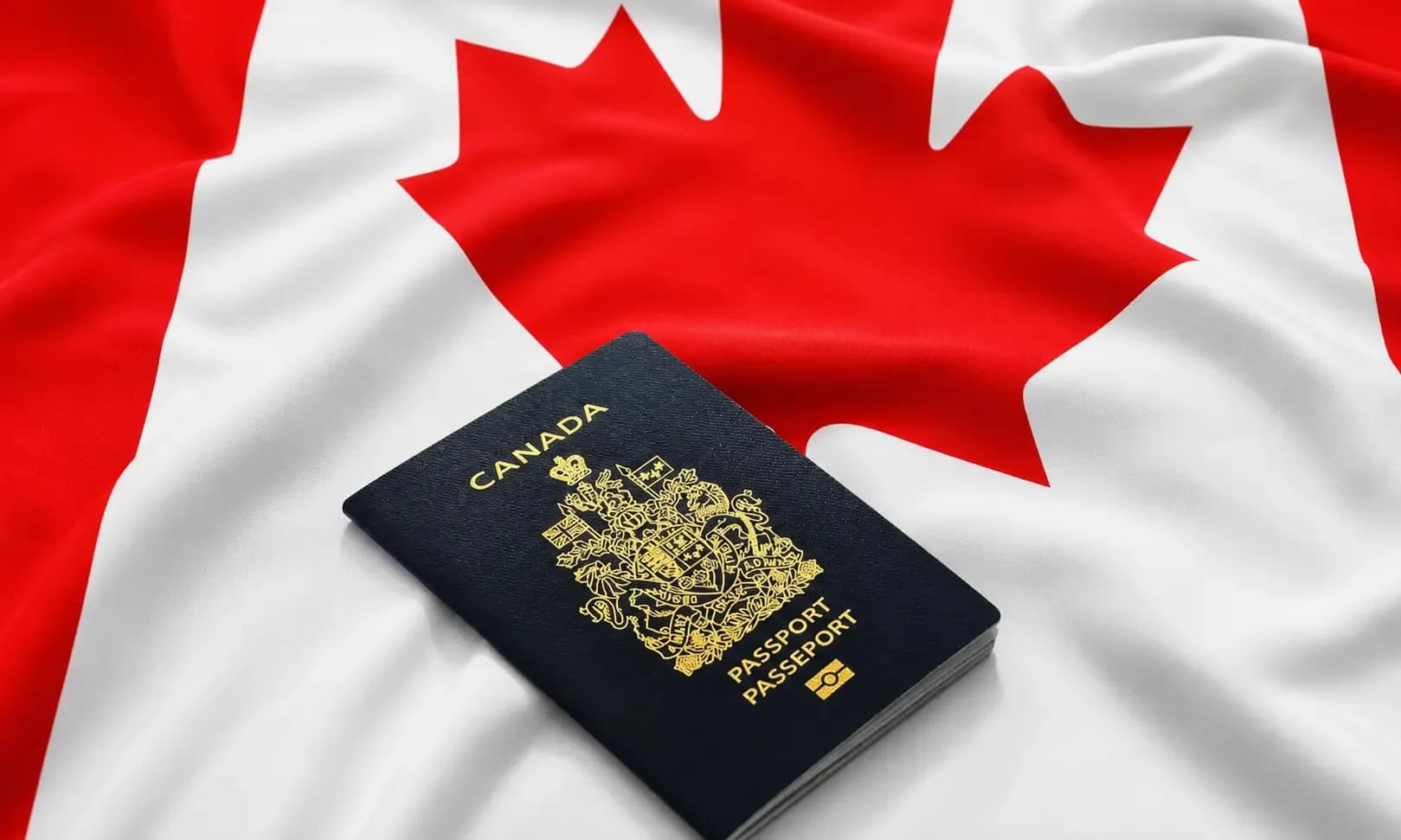
Canada will accelerate permanent residence for up to 33,000 temporary foreign workers in rural and remote communities over the next two years, Immigration Minister Lena Metlege Diab announced Monday, though immigration lawyers say the initiative creates no new spots for the 1.4 million work permit holders currently in the country.
The In-Canada Workers Initiative, first announced in Budget 2025, will fast-track applications already submitted through provincial and regional immigration programs. IRCC has already granted permanent residence to 3,600 workers between January 1 and February 28, reaching 18 percent of its 2026 target before formally announcing the program.
"I've never seen this before in my career," Toronto immigration lawyer Ravi Jain told The Globe and Mail. "Usually, you make an announcement, and then you get the criteria, and then you advise clients if they qualify or not."
No New Applications Required
The initiative does not open a fresh intake window. IRCC stated it is "accelerating eligible applications from existing inventories" and that "applicants do not need to take any action."
Workers who qualify have already applied for permanent residence through one of five existing pathways and have lived in smaller communities for at least two years.
| Eligible Program | Pathway Type |
|---|---|
| Provincial Nominee Program | Province-led |
| Atlantic Immigration Program | Regional |
| Rural Community Immigration Pilot | Community-led |
| Francophone Community Immigration Pilot | Community-led |
| Caregiver Pilots | Occupation-driven |
| Agri-Food Pilot | Occupation-driven |
Jain called the overall initiative "a total nothing-burger" because the government is drawing candidates from existing programs rather than creating new permanent residence spots for temporary workers who have not already applied.
Scope Limited to 2.3 Percent of Work Permit Holders
As of February 28, 2026, more than 1.4 million people held work permits in Canada, according to IRCC data. The 2026 target of 20,000 covers roughly 1.3 percent of that population.
The initiative excludes Census Metropolitan Areas, Minister Diab confirmed in an April interview with the Toronto Star. That classification covers Canada's 41 largest urban centres, including Toronto, Vancouver, and Montreal.
Part of Broader Temporary Resident Reduction
The announcement supports Ottawa's goal of reducing the share of temporary residents to less than 5 percent of Canada's population by the end of 2027.
Temporary residents peaked at 3.15 million in October 2024 before falling to 2.68 million by January 1, 2026, according to Statistics Canada. The share stood at 6.8 percent in December 2025.
IRCC aims to transition at least 20,000 workers to permanent residence in 2026 and the remainder of the 33,000 in 2027. Progress will be updated monthly on IRCC's statistics page.
Different From 2021 Pathway
The initiative differs from the 2021 TR-to-PR public policy that allowed 90,000 temporary workers and international graduates to submit new applications for permanent residence. That program reached capacity within hours of opening.
The 2026 initiative processes applications already in IRCC's backlog rather than opening new intake.
"This is not an open pathway, but a strategic processing initiative," Gateway to Canada, an immigration consultancy, said in an analysis of the announcement.
Rural Labour Shortages Cited
Minister Diab said the program targets sectors with persistent labour gaps in smaller communities.
"By transitioning temporary residents who are already living and contributing to their communities to permanent residence, we're providing the certainty and the stability needed to maintain and grow vibrant local economies," she said in a statement.
Secretary of State for Rural Development Buckley Bélanger said rural and remote communities "are at the heart of our plan to build One Canadian Economy."
The announcement follows other federal measures to support rural employers, including temporary rules allowing eligible businesses to hire up to 15 percent of their workforce through the Temporary Foreign Worker Program, above the standard 10 percent cap.


