NEW YORK — U.S. crude jumped 8.5 percent on Thursday to $81.01 per barrel, the highest settlement since July 2024, as the U.S.-Israeli war with Iran choked oil shipments through the Strait of Hormuz and rattled global markets.
Brent crude climbed 4.9 percent to $85.41 per barrel. Both benchmarks have surged nearly 20 percent since strikes began last Saturday.
Strait of Hormuz traffic halts
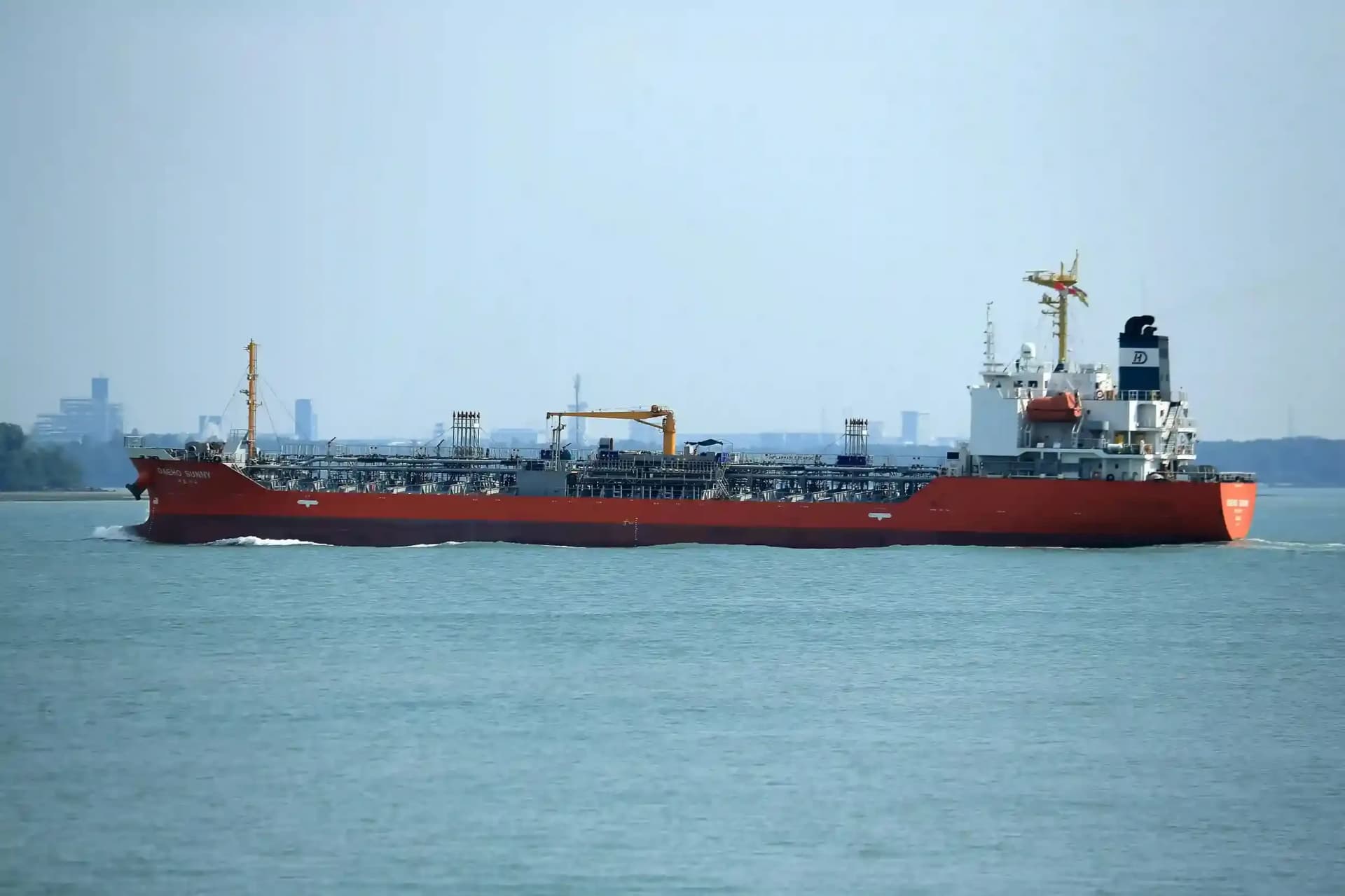
Tanker traffic through the Strait of Hormuz has come to a near standstill. The narrow waterway off Iran's coast handles roughly 20 percent of global oil and LNG shipments.
Qatar has shut down LNG liquefaction operations, which sources say will take weeks to restart.
U.S. President Donald Trump said the Navy would begin escorting tankers through the waters "as soon as possible."
Goldman Sachs said oil could reach $100 per barrel if disruptions persist.
Asian markets rebound from record losses
Asian markets recovered sharply on Thursday following steep losses the previous day. South Korea's Kospi posted strong gains after recording its worst single-day drop on record on Wednesday.
European indexes fell. France's CAC 40 and Germany's DAX both declined as oil prices accelerated during the trading session.
Wall Street slides on energy fears
The S&P 500 fell 0.6 percent, erasing its gains for the year. The index closed at 6,830.71. The Nasdaq composite slipped 0.3 percent to 22,748.99.
The Dow Jones Industrial Average briefly dropped more than 1,100 points before finishing down 784 points, or 1.6 percent.
Airline stocks plunged 5.4 percent as fuel costs rose and passengers remained stranded across the Middle East. Southwest Airlines dropped 6.9 percent.
Ashish Utarid, assistant vice-president of investment strategy at IG Wealth Management, said investors are watching how long disruptions last.
"The fear is that the market can absorb a bit of an oil price increase, but if oil prices were to double, from $60 a barrel to $120 a barrel, that creates significant drag on the consumer," Utarid said.
Canadian markets fall, loonie weakens
In Toronto, the S&P/TSX composite fell 332.89 points to 33,609.97. Materials stocks dragged on the index, falling 3.9 percent, while technology and energy were the only sectors to finish higher.
The Canadian dollar weakened to 73.05 cents US on safe-haven demand.
Canadian gas prices surge
Gas prices rose sharply across Canada as refiners passed higher crude costs to consumers.
| City | Price (CAD/L) | Weekly Change |
|---|---|---|
| Toronto | $1.47 | +22 cents |
| Edmonton | $1.47 | +26 cents |
| Winnipeg | $1.40 | +19 cents |
| Montreal | $1.65 | +14 cents |
| Calgary | $1.40 | +12 cents |
| Vancouver | $1.83 | +10 cents |
Source: Kalibrate
The national average climbed nearly 9 percent week-over-week. The shift to summer-grade fuel in coming weeks could push prices higher.
Canada exports more crude than it consumes, but domestic pump prices still track global benchmarks.
Inflation risk rises
The conflict has drawn comparisons to Russia's 2022 invasion of Ukraine, which drove fuel costs higher and triggered a historic surge in inflation.
Economists say a prolonged rise in oil prices would likely lift inflation in the U.S. and Canada, though they expect the effect to be temporary if prices stabilize.
Desjardins economists said higher oil prices would support growth in energy-exporting provinces while weighing on spending elsewhere.
"In all scenarios, we have assumed the Bank of Canada remains on the sidelines, as downside risks to the Canadian economy linked to U.S. trade policy and the upcoming CUSMA joint review remain relevant," Desjardins said in a note.
U.S. gasoline prices rose 27 cents in one week to $3.25 per gallon, according to AAA


